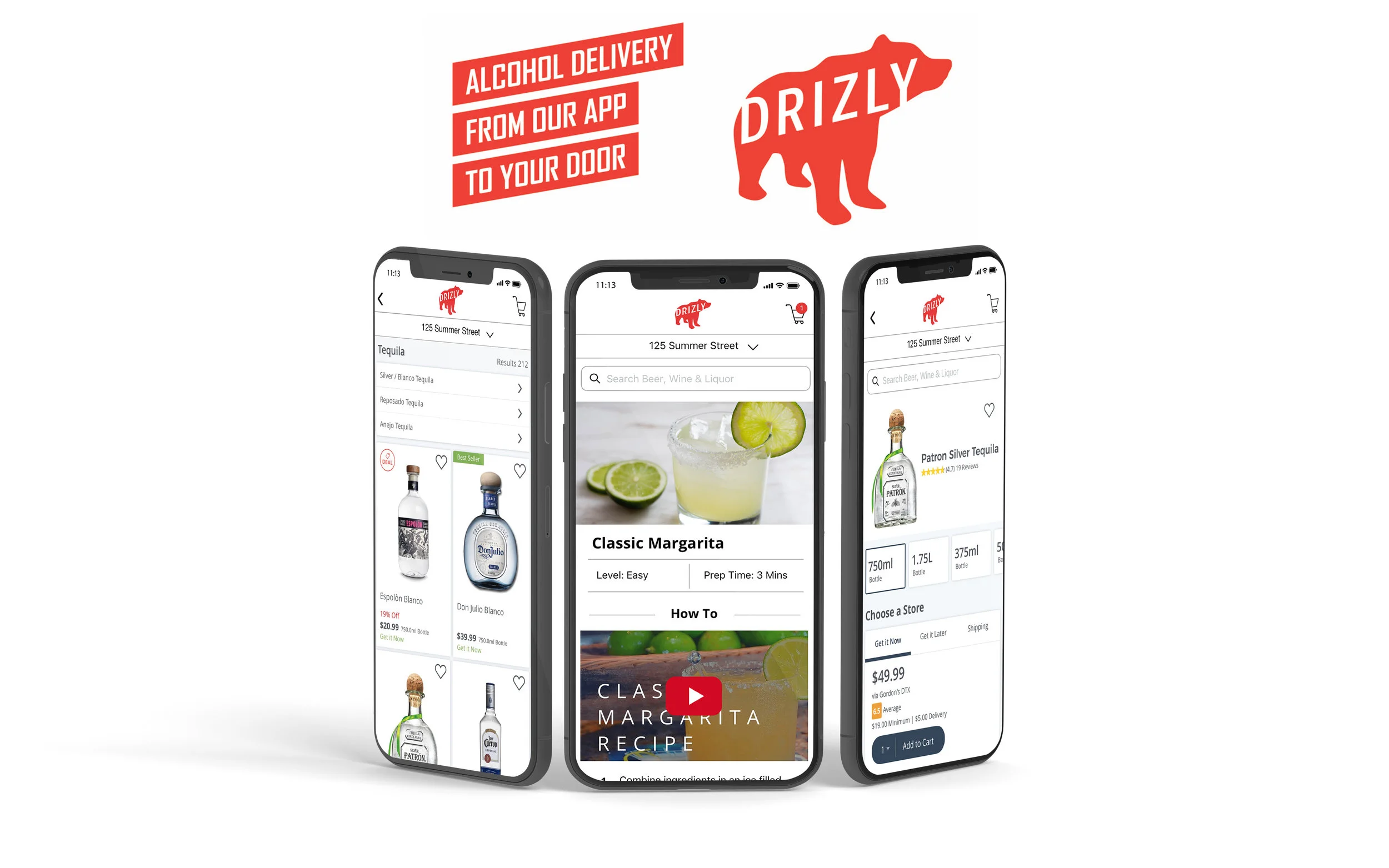
Drizly - Alcohol Delivery App
Driving Conversions Through Drizly’s Mobile App with a Mobile-First Design that Turned Recipe Browsers into Loyal Customers
As part of a conceptual capstone project, the goal was to reimagine Drizly’s mobile app to capture and convert users browsing cocktail recipes into engaged customers. The design introduced an in-app recipes experience that connected inspiration directly to purchase, starting with a personalized onboarding flow to capture drink preferences. Recipes were integrated into the app’s navigation, each offering ingredient lists with direct purchase options. The result was a cohesive mobile-first experience designed to deepen engagement, simplify ordering, and build long-term customer loyalty.
Role: UX Designer in a team of 4 other designers
Company: General Assembly - User Experience Design Immersive Program
UX/UI Design
Mobile App Design
User Onboarding
Conversion Optimization
User Research
Capstone Project
A/B Testing
Prototyping
OVERVIEW
WHAT IS DRIZLY?
Drizly is the world's largest alcohol marketplace and delivery service that connects the customer to the liquor store. Drizly promises the best prices compared from the nearest stores in your location as well as delivery to your personal residence or business in under 1 hour.
How Drizly Works
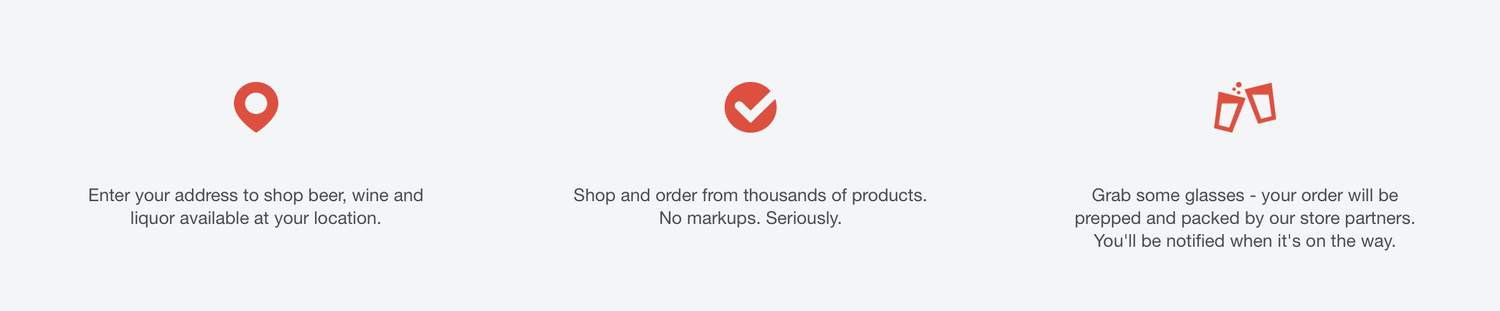
Drizly works with local stores so you can shop their shelves using your smartphone or computer to order beer, wine and liquor at the touch of a button. You still have to drink it the old fashioned way, though.
THE PROBLEM
Drizly’s mobile app lacked a recipe feature, limiting its ability to convert users who discover cocktail ideas into active customers. Without a way to explore recipes, view ingredients, and purchase products in one seamless flow, the app missed an opportunity to connect inspiration directly to ordering. The challenge was to design a mobile-first experience that bridged this gap, encouraged in-app purchases, and fostered ongoing engagement.
How might we create an engaging in-app recipes experience that inspires users, streamlines ingredient purchasing, and builds long-term loyalty within Drizly’s mobile app?
THE GOAL
Design and implement a personalized in-app recipes feature that guides users from discovery to purchase, enhances the overall mobile shopping experience, and strengthens customer retention within Drizly’s mobile app.
MY ROLE
As one of four designers on the project, I:
Conducted user research to understand behaviors and needs around recipe discovery and alcohol purchases
Defined user flows for integrating recipes into the mobile app experience
Designed onboarding screens to capture drink preferences and personalize content
Created wireframes and high-fidelity mockups for the in-app recipes feature
Collaborated with the team on prototyping and usability testing to validate and refine designs
DISCOVERY
MY APPROACH
To understand how an in-app recipes feature could enhance Drizly’s mobile experience, our team conducted research to uncover user needs, motivations, and behaviors around cocktail inspiration and alcohol purchases.
Competitive Analysis: Reviewed direct and indirect competitors in the alcohol delivery and recipe space. Found that most competitors lacked an integrated recipes feature in their mobile apps, highlighting a market opportunity for Drizly.
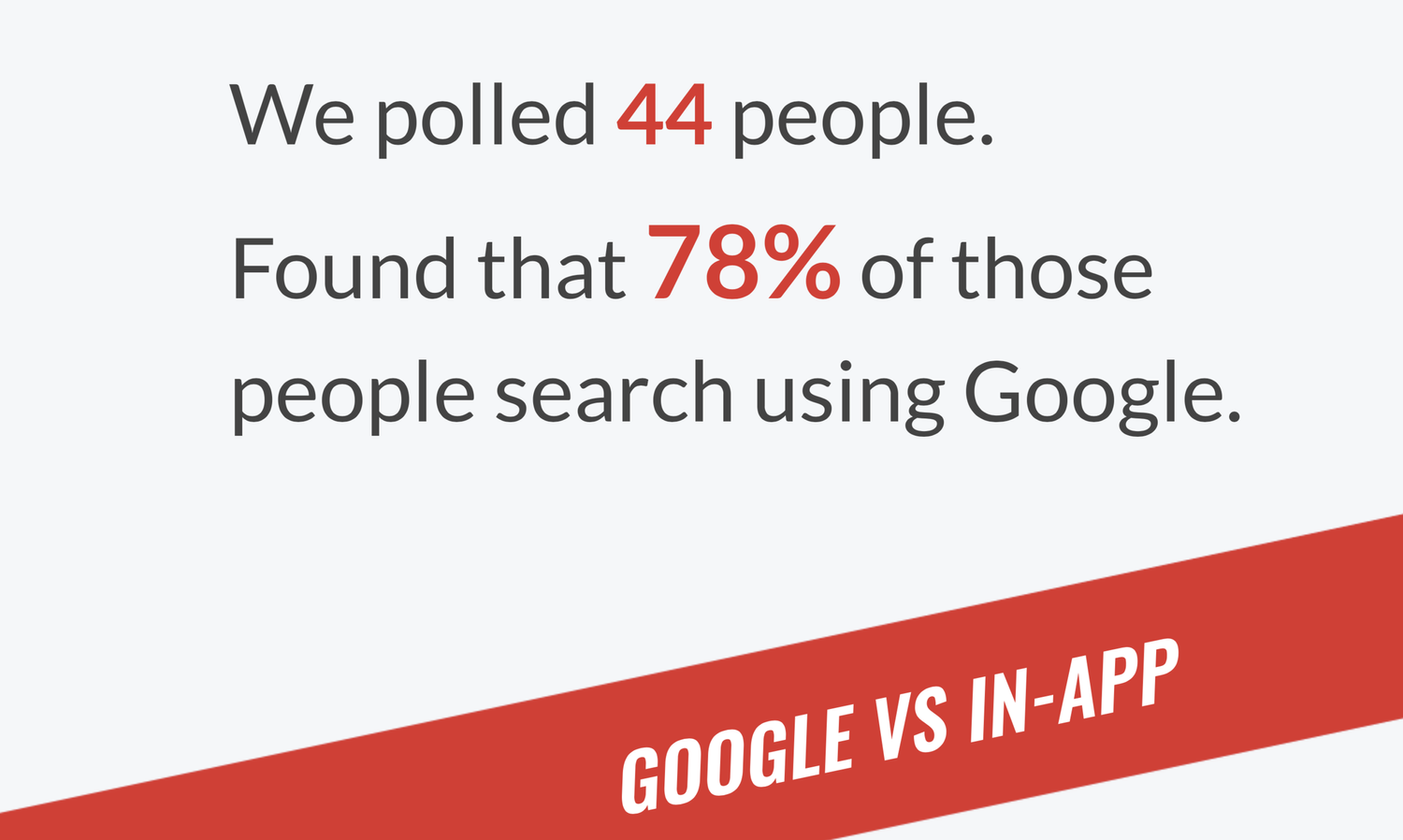
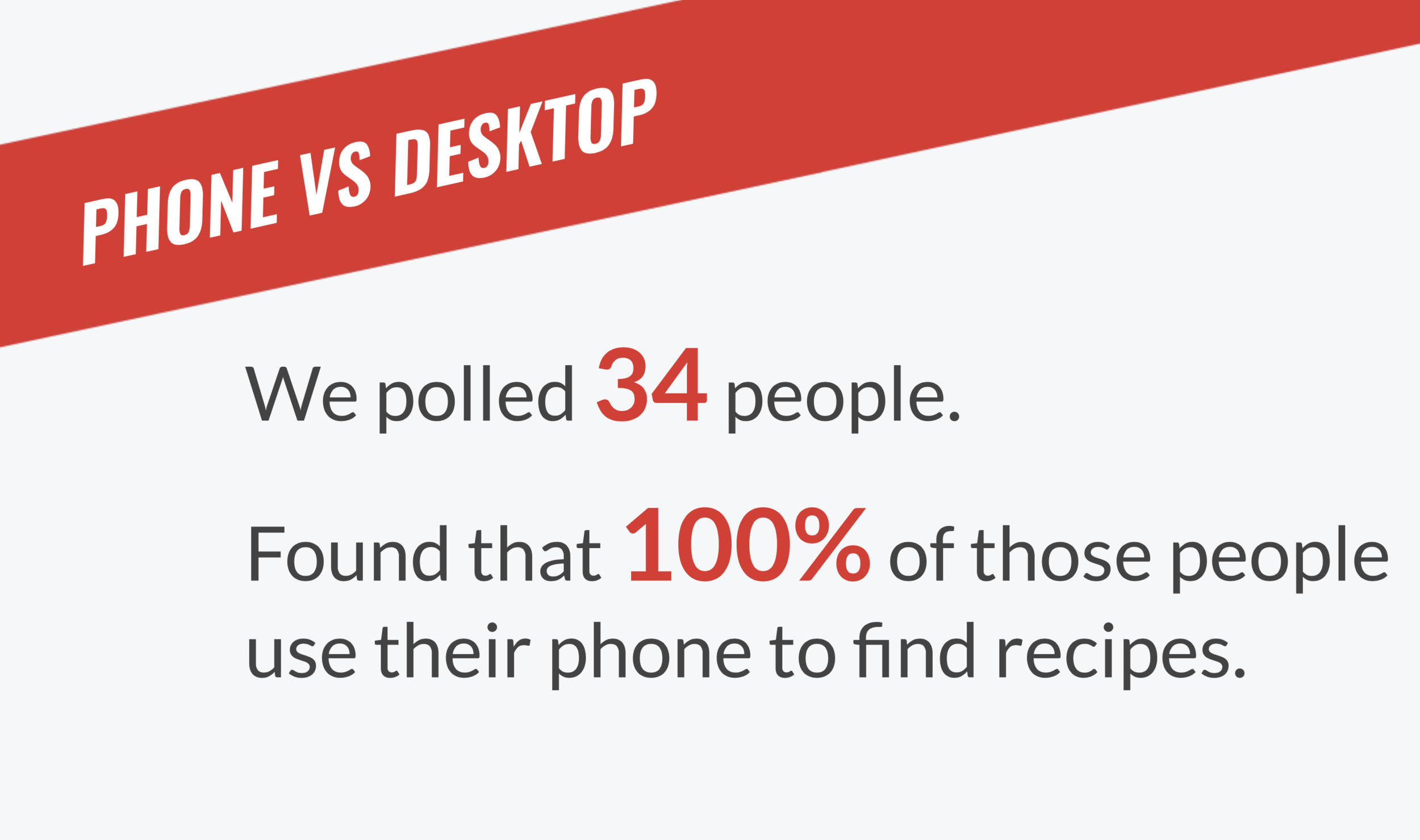
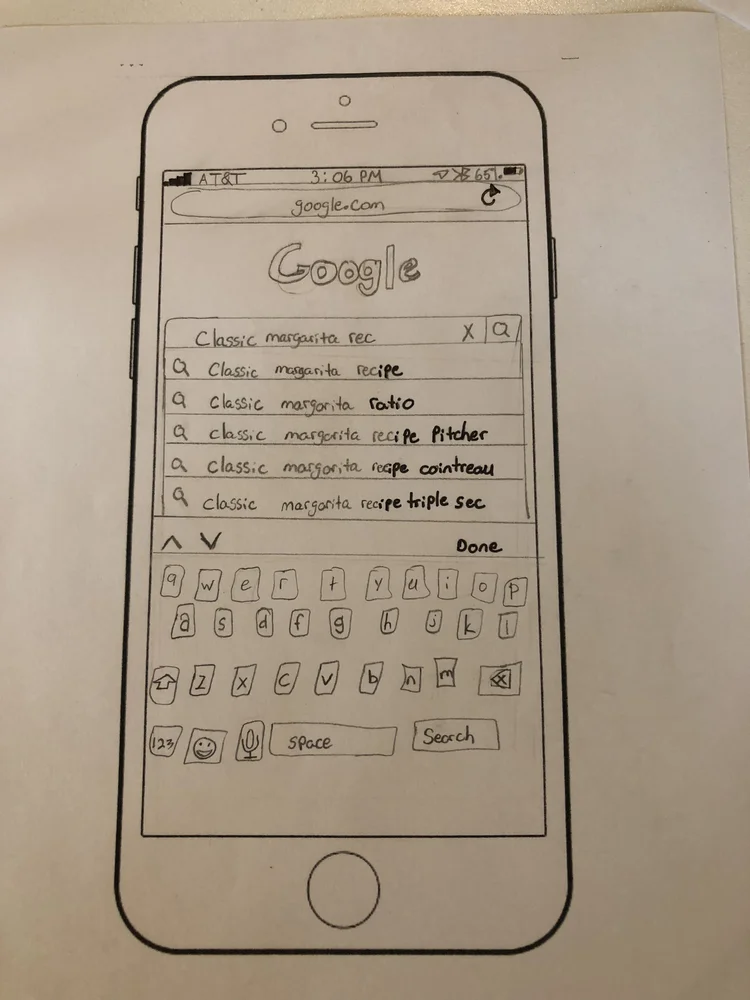
User Interviews: Conducted interviews with 12 participants to learn how they discover cocktail recipes, when they typically make drinks, and their preferred purchasing methods. Many cited Google searches as their primary source for recipes, with special occasions driving most drink-making.
COMPETITIVE ANALYSIS
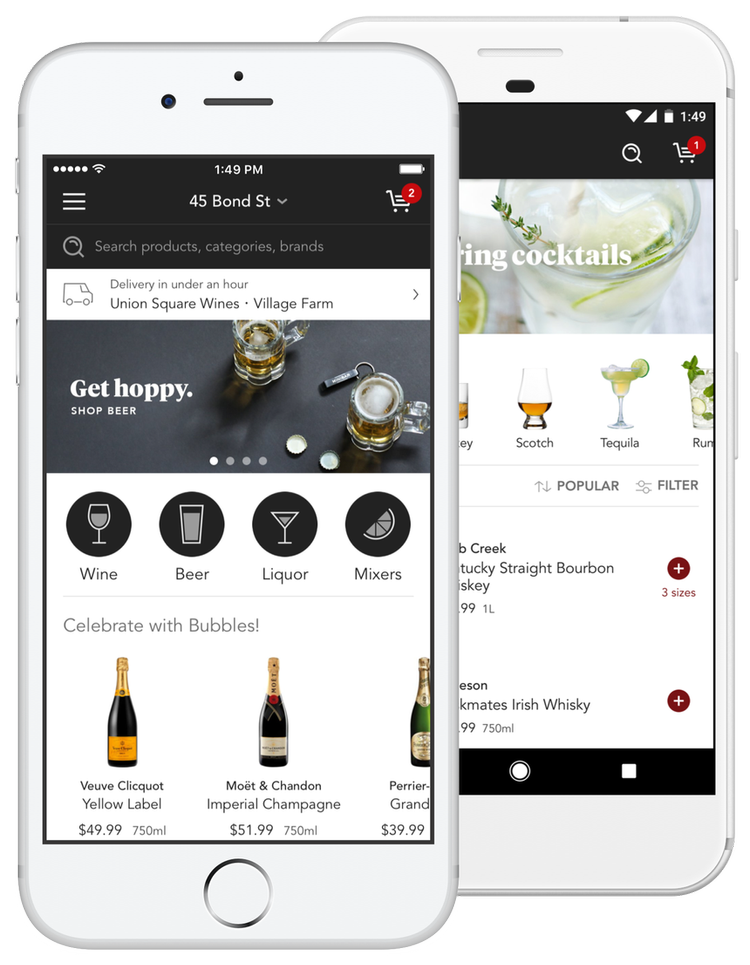
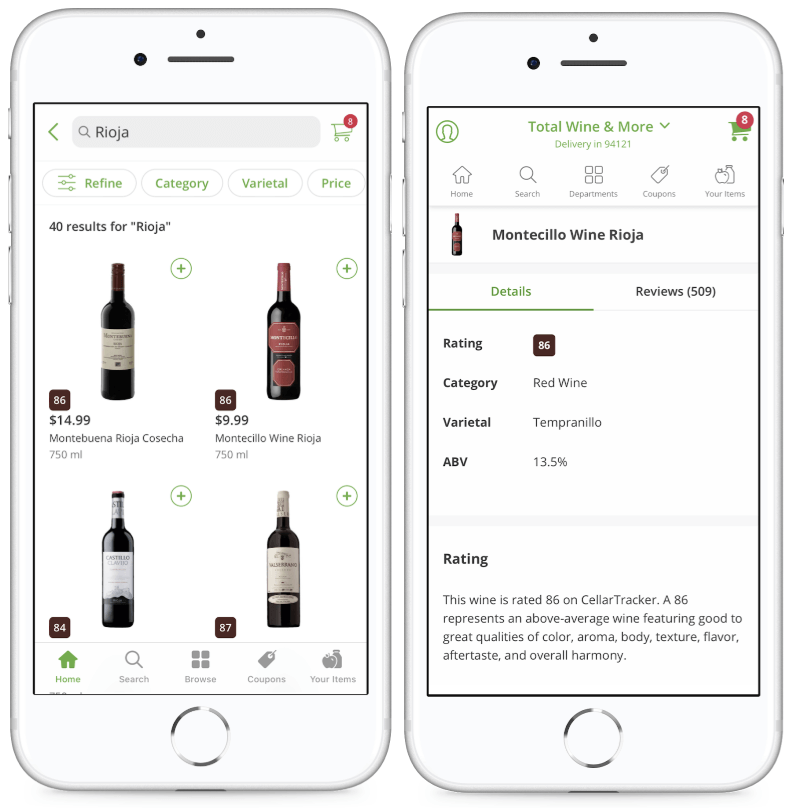
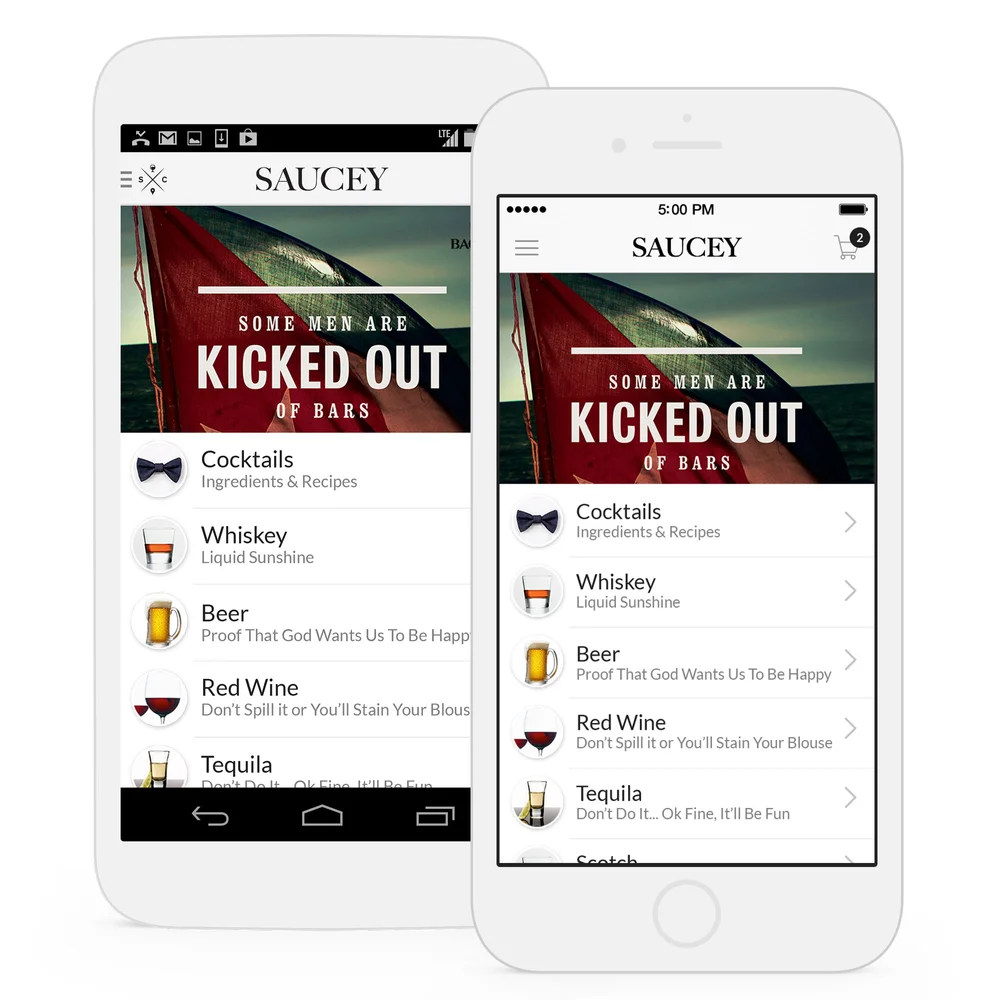
To get a better understanding of Drizly's competitors, we scoped out 3 potential mobile apps that seemed to be the closest competition to Drizly in the market. We were mainly trying to focus on recipes and were trying to figure out how others were utilizing recipes in their apps. Unfortunately when analyzing these apps, none seemed to offer any information on recipes at all.
Minibar App
INSTACART APP
SAUCEY APP
To identify opportunities for Drizly’s mobile app, we examined both direct and indirect competitors in the alcohol delivery and recipe space. Our focus was on understanding how others integrated (or failed to integrate) recipe content into the mobile shopping experience.
Direct Competitors: Minibar, Saucey, and Instacart all offered convenient alcohol delivery but lacked dedicated recipe features in their mobile apps. This absence meant users had to leave the app to find cocktail ideas, creating a gap between inspiration and purchase.
Indirect Competitors: Lifestyle and recipe-focused platforms such as Liquor.com and The Spruce Eats provided rich cocktail content but had no integrated delivery or purchasing capabilities.
Key Findings:
There is a clear market gap for an app that combines cocktail inspiration with instant product purchasing.
Competitors prioritize product search and delivery but overlook content as a driver for engagement and conversions.
Integrating recipes directly into Drizly’s app could differentiate the product and improve customer retention by offering value beyond simple transactions.
SURVEYS & USER INTERVIEWS
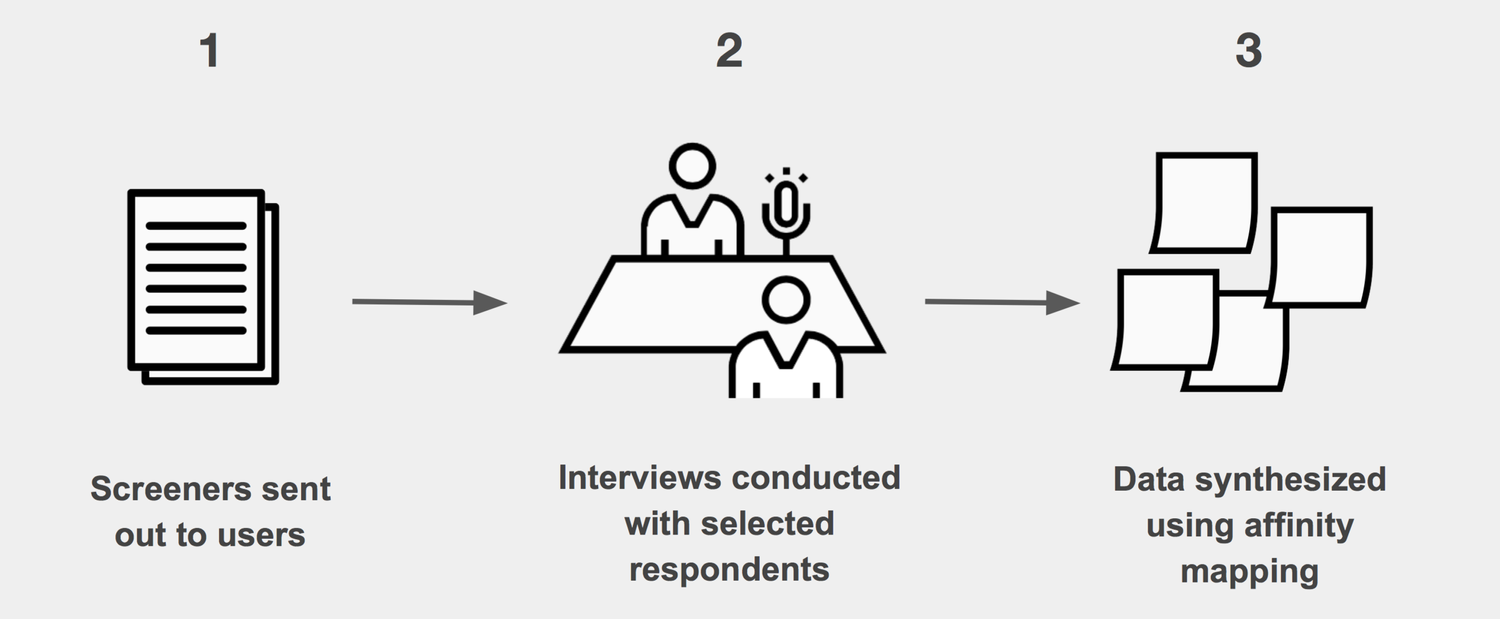
We wanted to better understand why people search for recipes, where they go to find them as well as their preference in alcohol an so on. A screener survey was sent out to find participants for interviews.
We conducted over 12 user interviews with selected respondents and gathered some interesting insights that would help us understand the behaviors of people when it came to searching recipes and what they love to drink.
What people said…
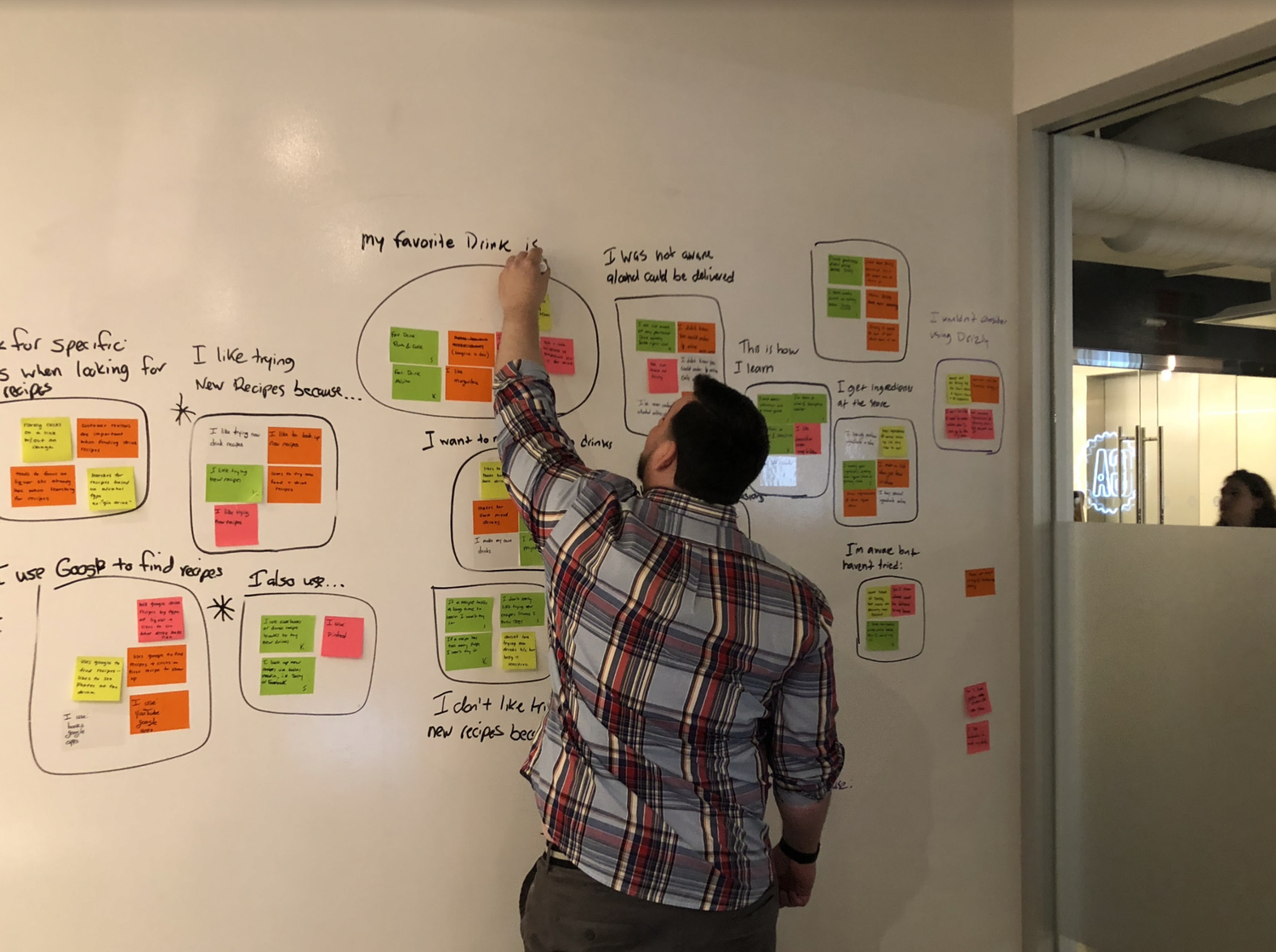
SYNTHESIZING THE DATA WITH AFFINITY MAPPING
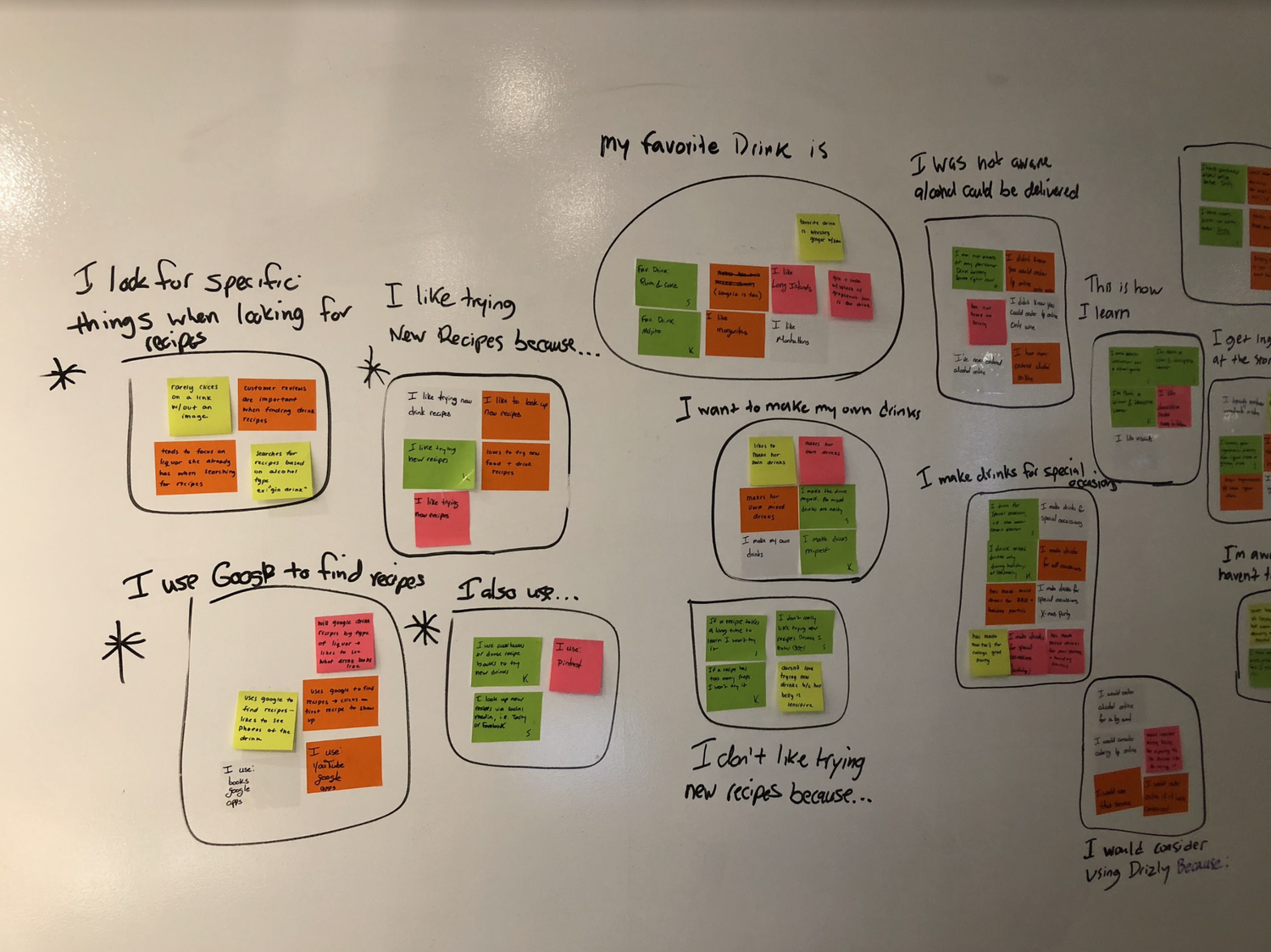
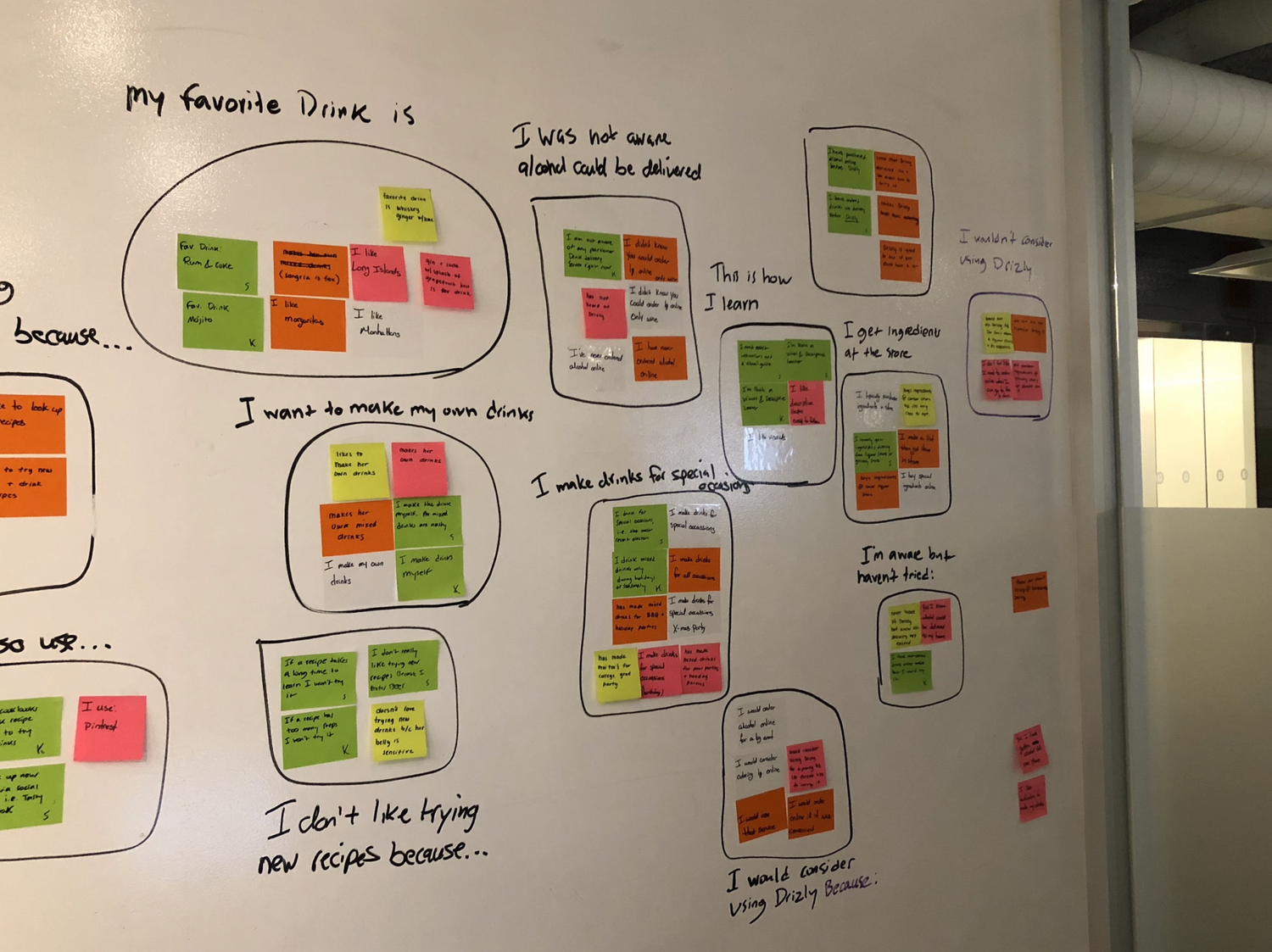
After user interviews, we organized findings into an affinity map to spot common themes and pain points.
Process:
Gathered quotes and behaviors from 12 participants
Grouped insights into categories like recipe discovery, motivations, learning formats, and purchasing habits
Prioritized themes that aligned with integrating recipes into the mobile app
Key Themes:
Drinks are often made for special occasions
Users prefer step-by-step visuals or videos
Most start recipe searches on Google
Personal drink preferences drive engagement
These themes showed a clear opportunity for a visually engaging, personalized recipe feature that keeps users in the Drizly app from discovery to purchase.
Why these two?
They represented the two ends of our user spectrum—individual learners seeking structure and growth, and organizational clients demanding clarity and accountability.
How they influenced design
Jordan drove the need for simple dashboards, renamed features (e.g., “My Progress”), and consistent visual feedback
Maya inspired the client cohort tools, exportable reporting, and user-level filtering for performance tracking
These personas acted as litmus tests throughout the project. Before building any new feature, I asked:
“Would Jordan feel supported by this?”
“Would Maya know exactly where her team stands in 30 seconds or less?”
IDEATION
Whiteboarding
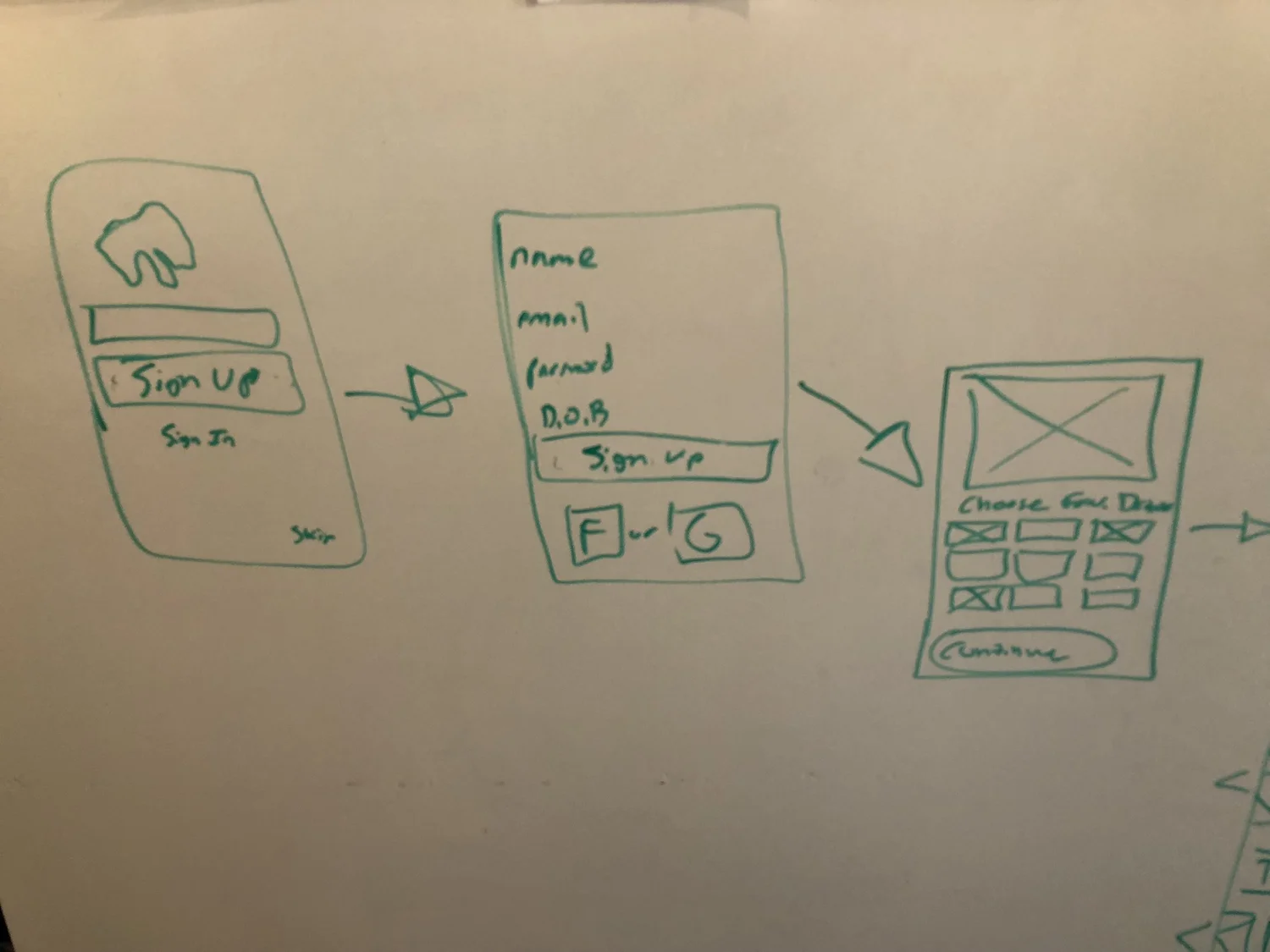
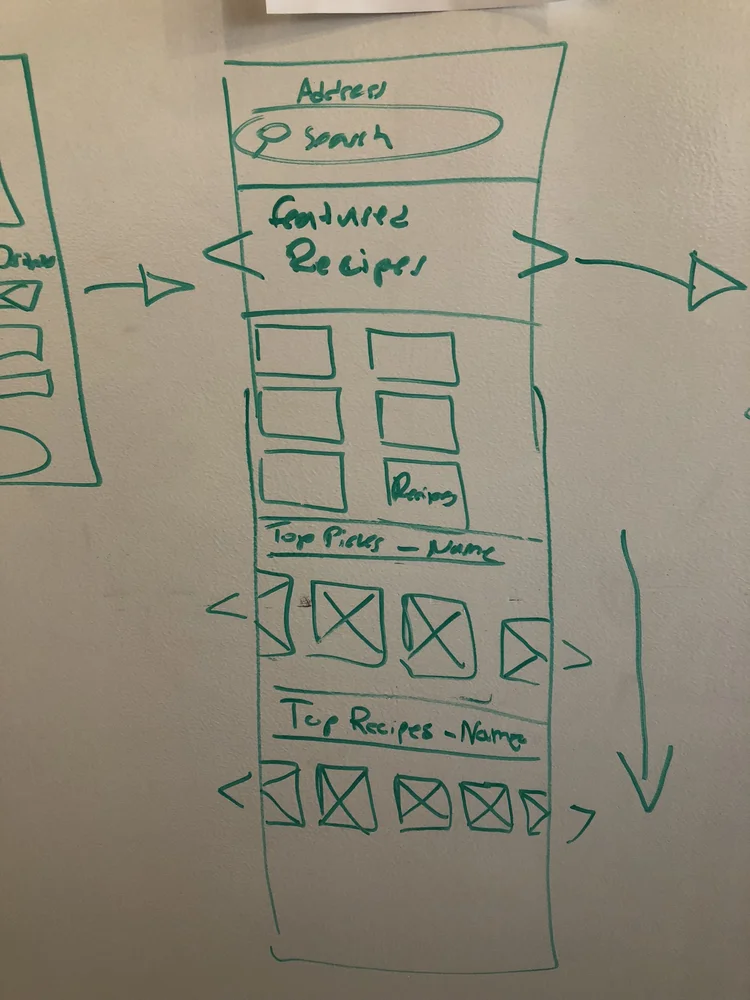
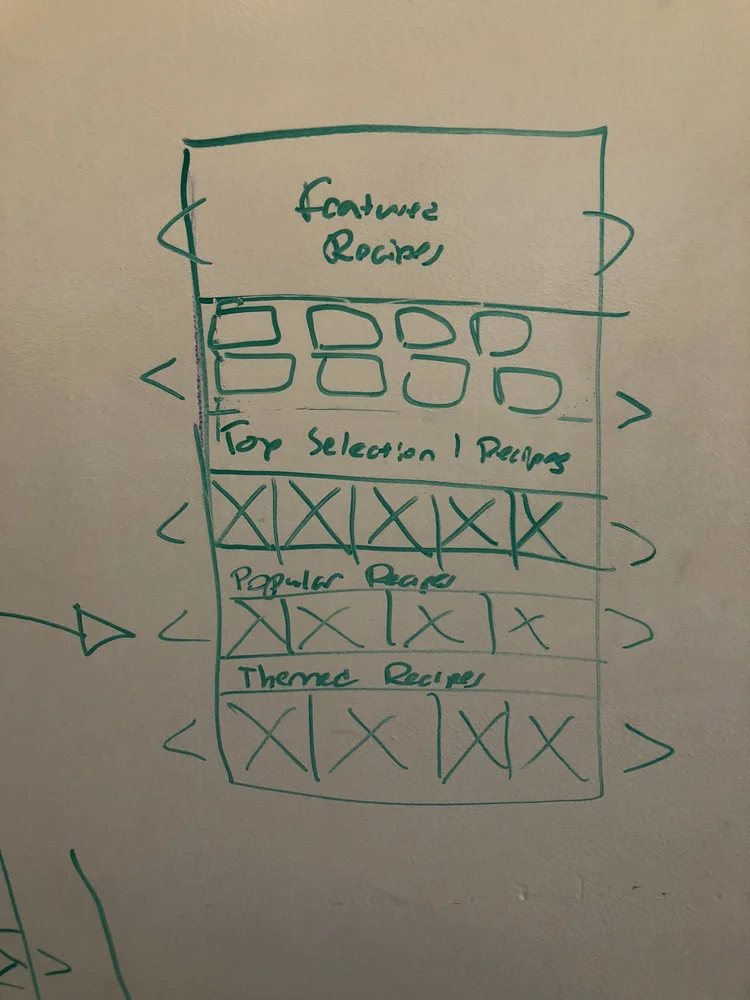
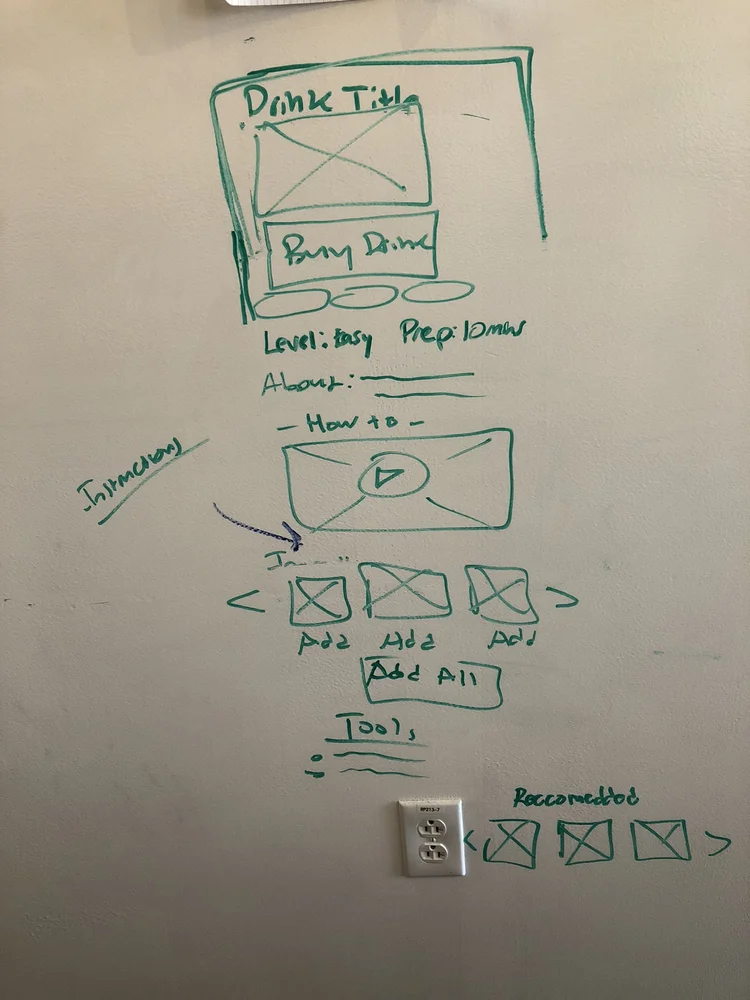
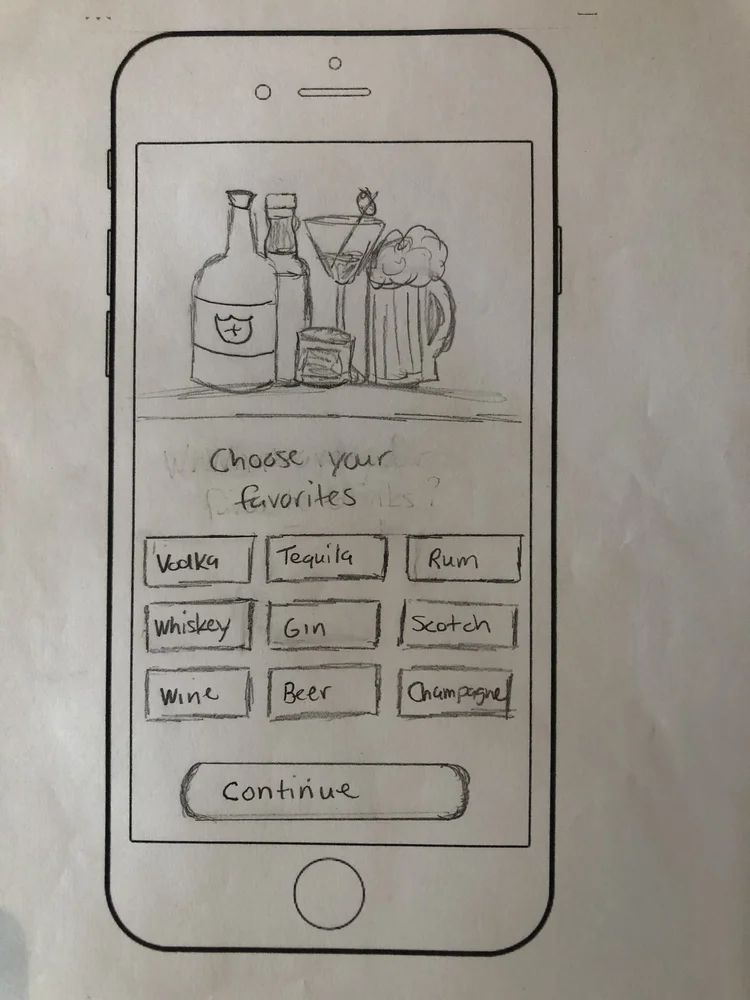
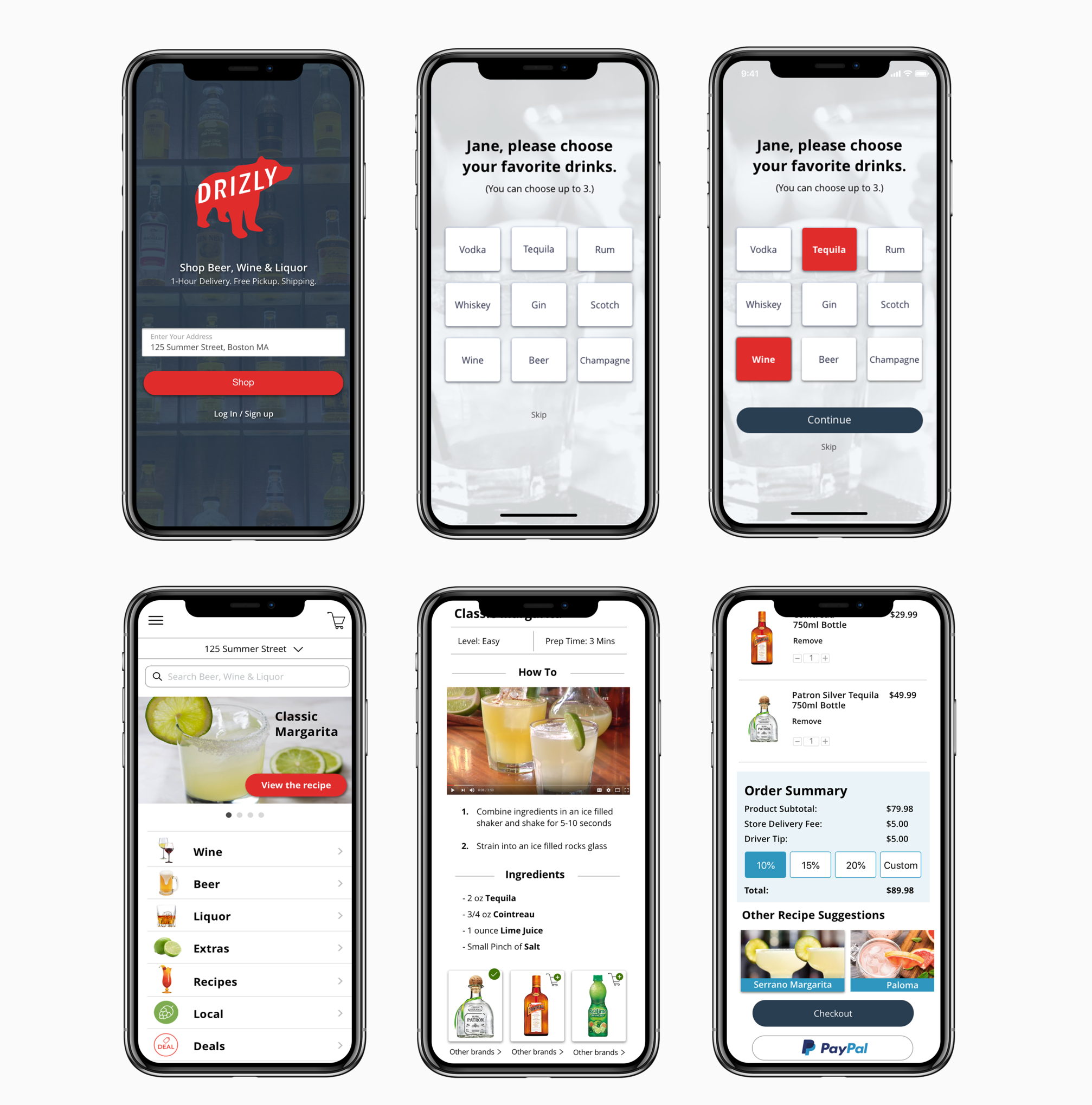
We started off our ideation phase by taking what we've learned from our research so far into consideration and brainstorming ideas on possible solutions. We started designing screens for the Drizly mobile app since it was a blank palette considering there were no recipes being offered on the current mobile app. We focused on creating a personalized experience for users not only when they engage with the recipes page, but from the initial sign up. We wanted the experience for users to be even more tailored each time they used the app.
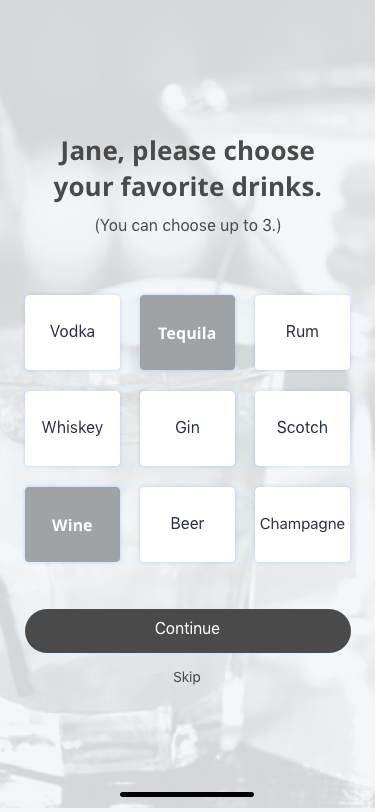
This consisted of creating a simple onboarding asking users for their favorite type of drinks or alcohol. Not only would this allow us to personalized the app for the user but it would allow Drizly to accumulate vital data from their users.
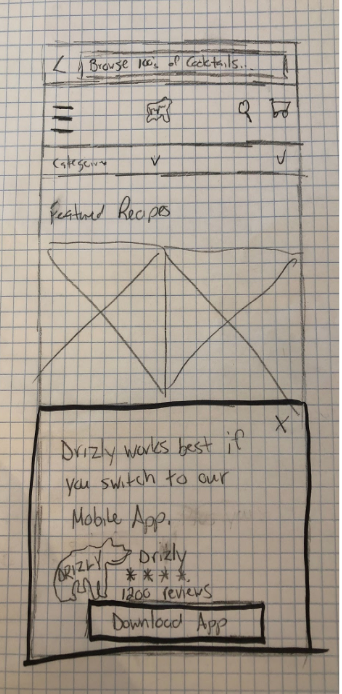
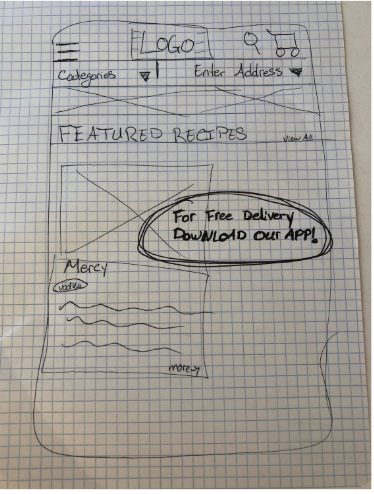
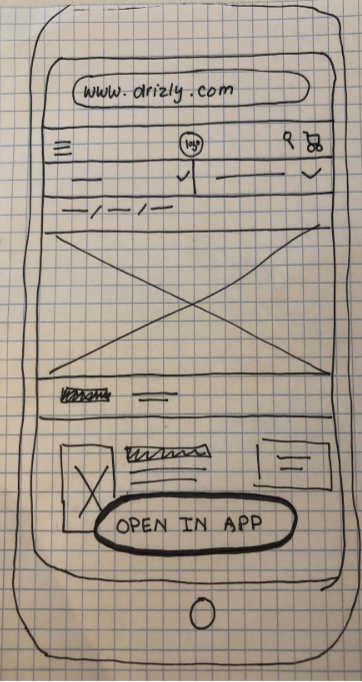
A/B TESTING SMART BANNERS
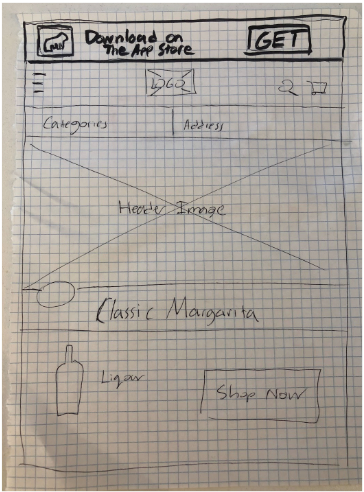
Before creating screens for testing, we sat down to brainstorm ideas on how we could get users to convert from mobile web to mobile app. After some research, we discovered maybe the best approach would be to use smart banners and links to download the app in the App Store. We ran across a few different versions of smart banners we could possibly use, so my team an I decided to sketch out each version and do some A/B Testing.
paper prototyping & testing
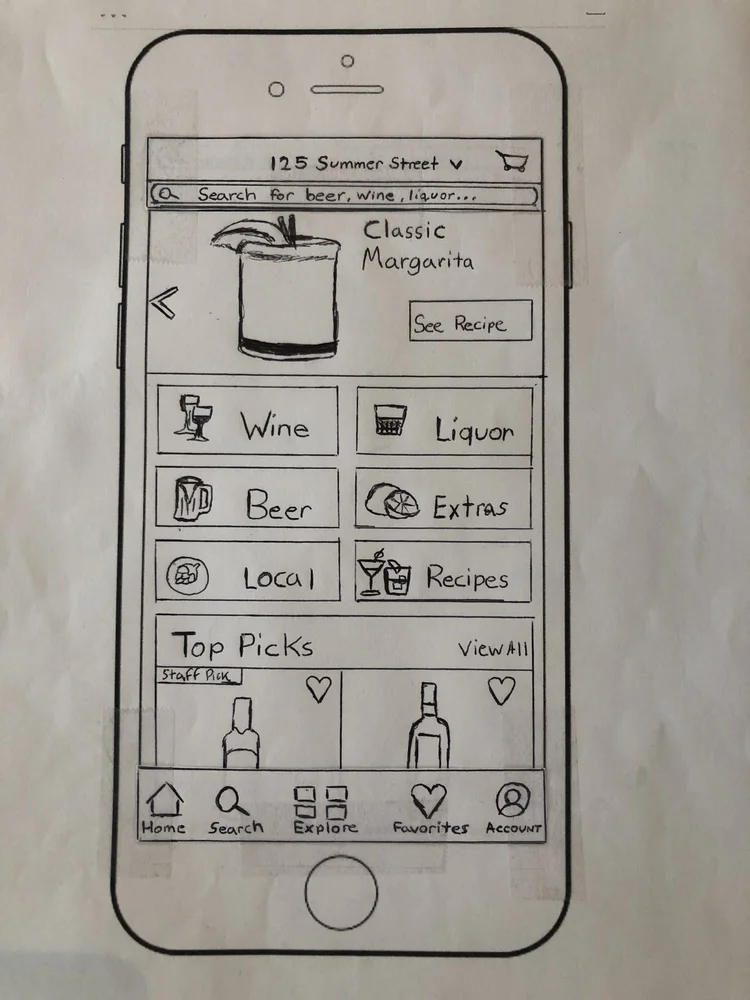
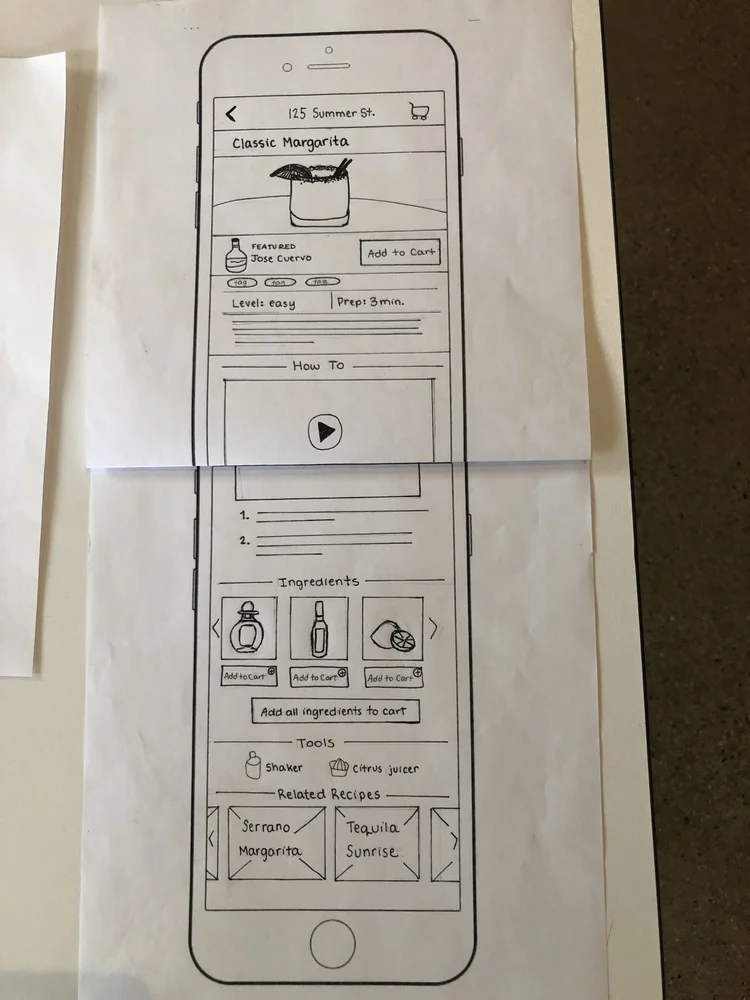
When refining our ideas for possible solutions during our whiteboard sessions, we came to an agreement on a flow and how the UI should be structured. In order to validate and test our solutions quickly we transferred our ideas to paper and created a clean higher fidelity version to test with. We wanted to get users reactions to their experience and the flow from initial search to finding a recipe on the mobile app. We especially wanted to see how users would react to the smart banner and if they would indeed convert to using the app instead of browsing through the mobile web version of Drizly.
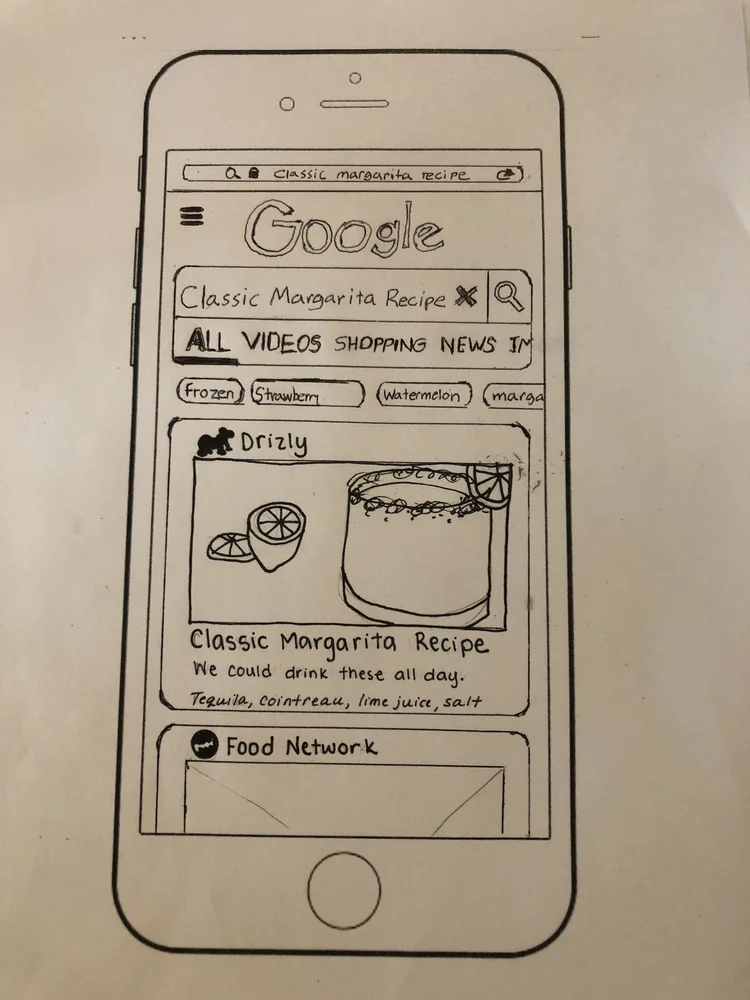
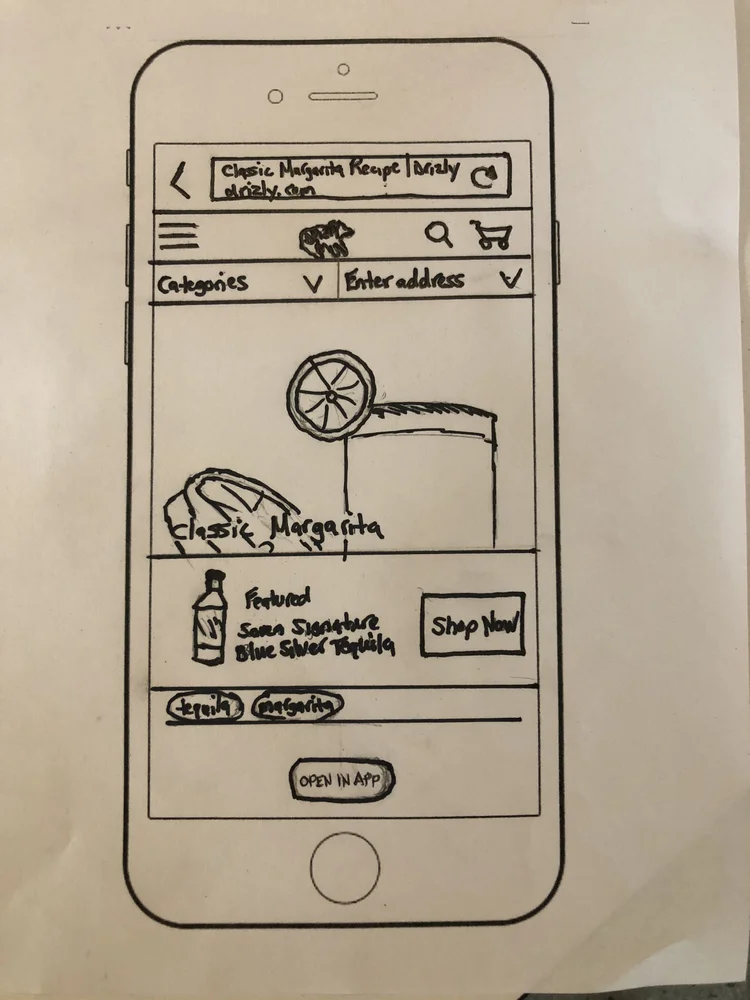
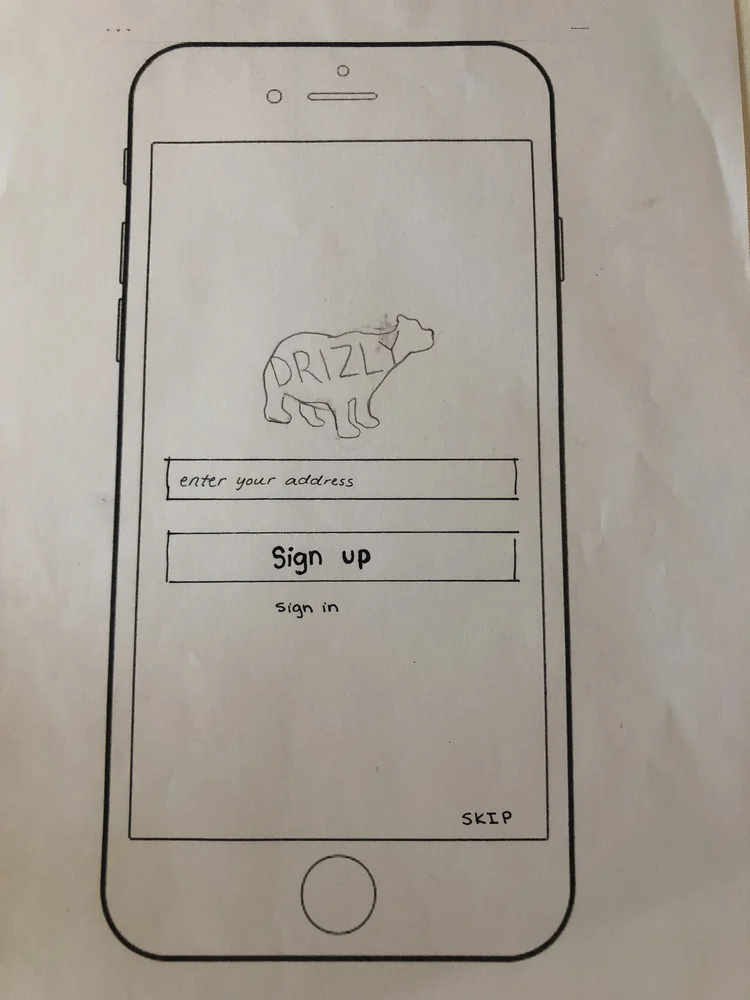
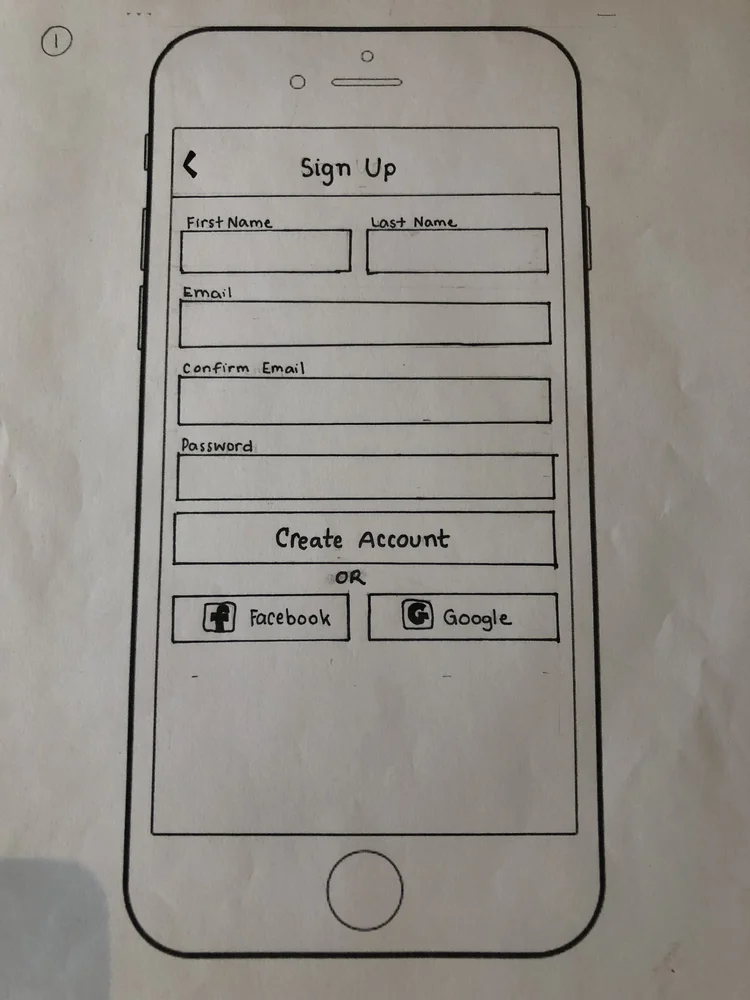
User Flows
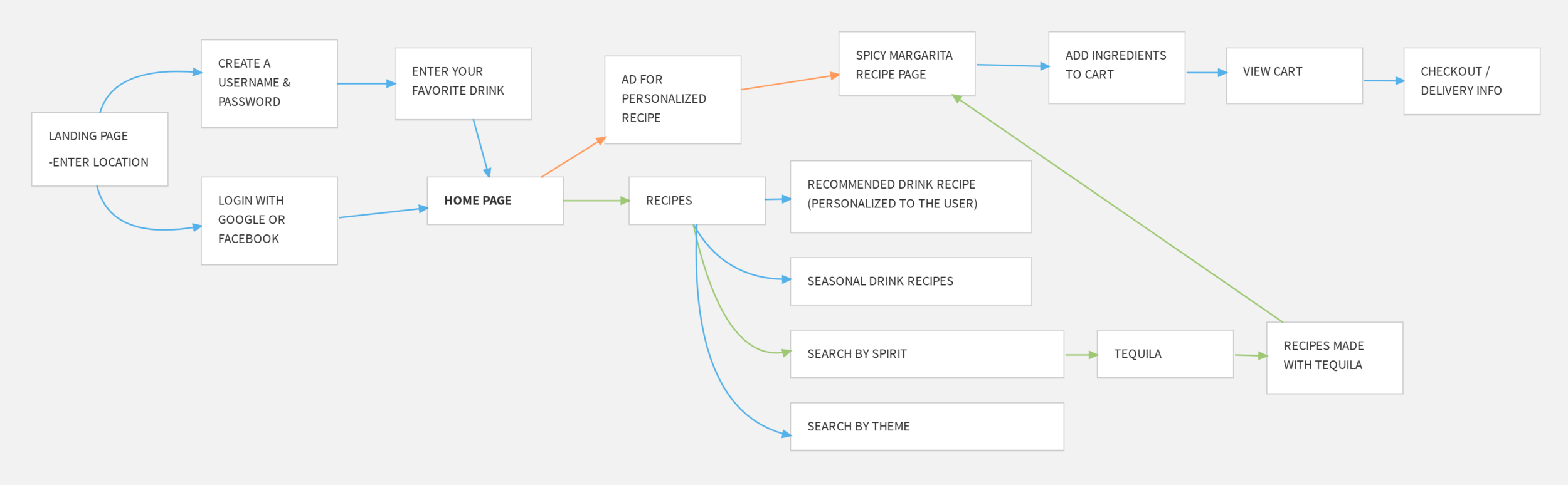
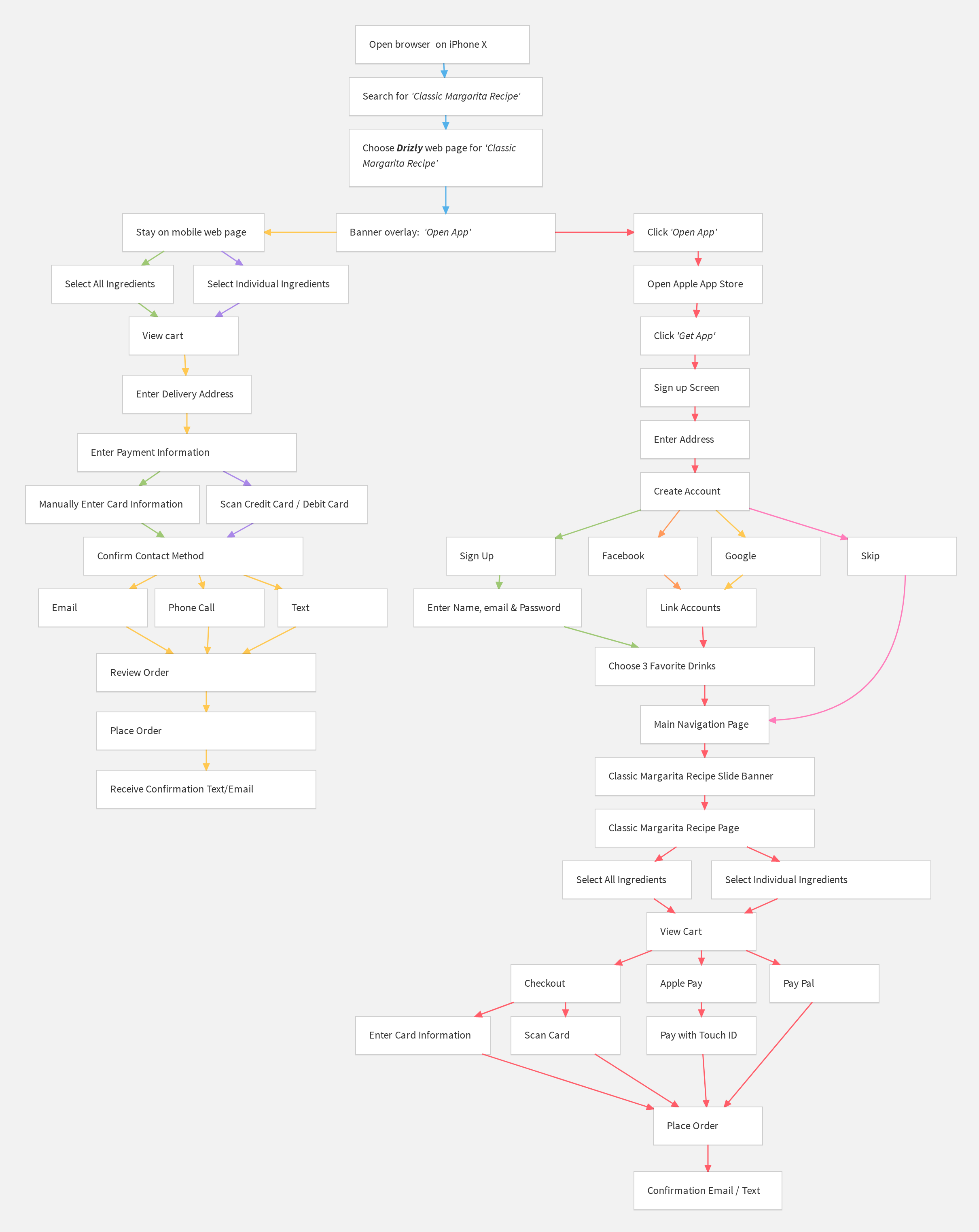
A user flow was created to show the flow of new user creating an account to searching for a recipe and eventually purchasing ingredients to make their drink.
wireframes
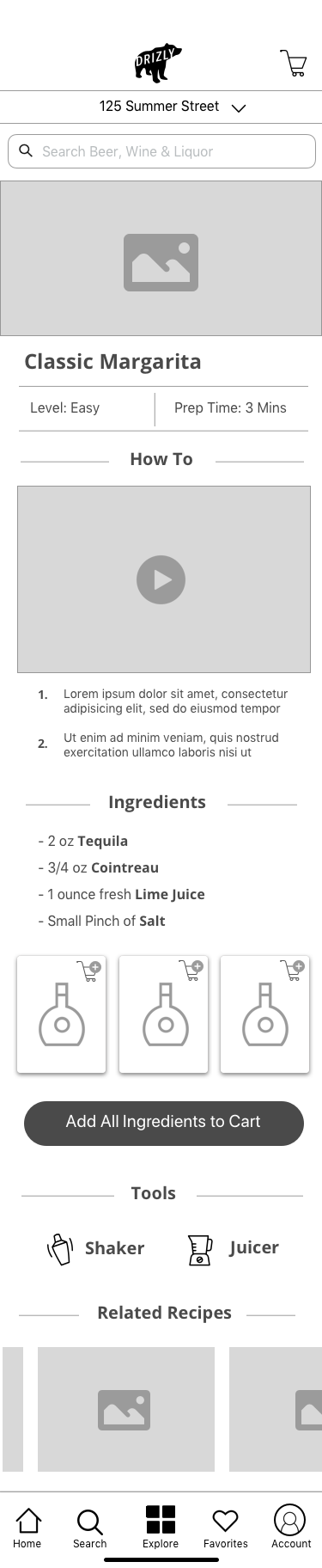
We created wireframes to map out the flow from onboarding to recipe discovery and product purchase. The goal was to visualize how the new feature would integrate into Drizly’s existing app.
Focus Areas:
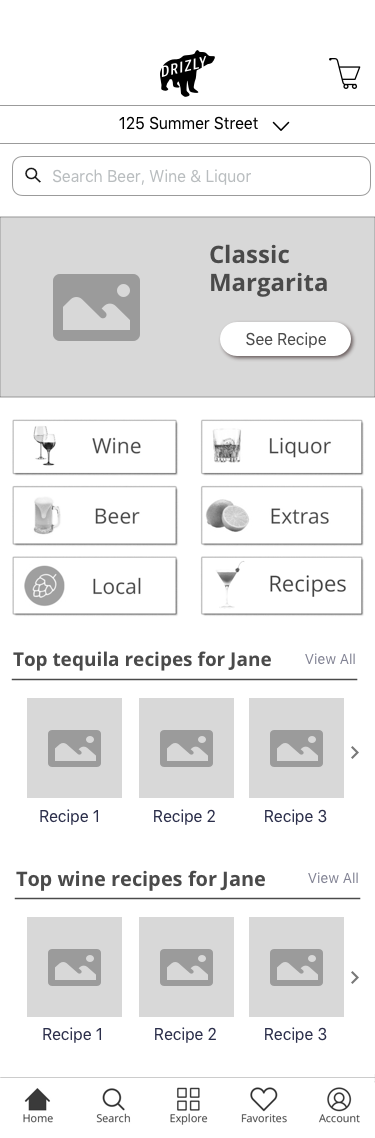
Adding a Recipes tab to the main navigation
Designing onboarding screens to capture drink preferences
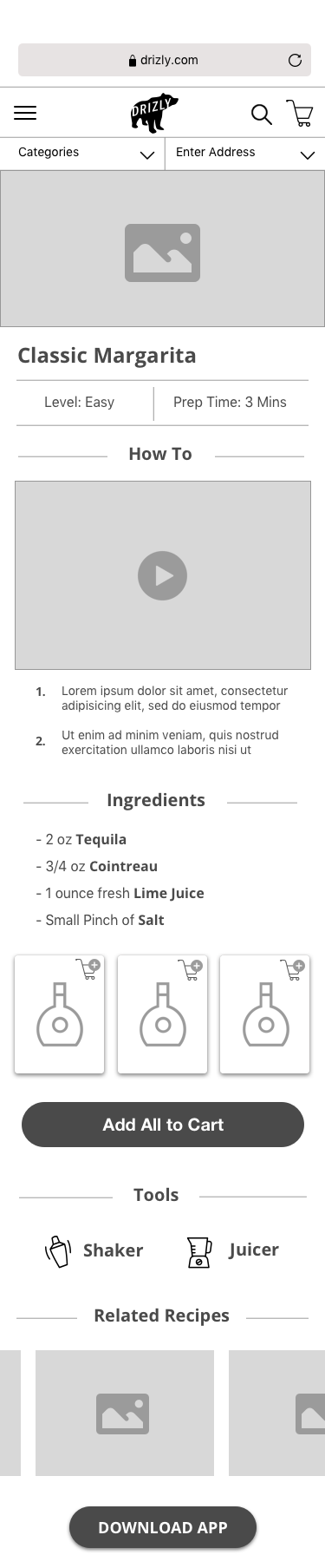
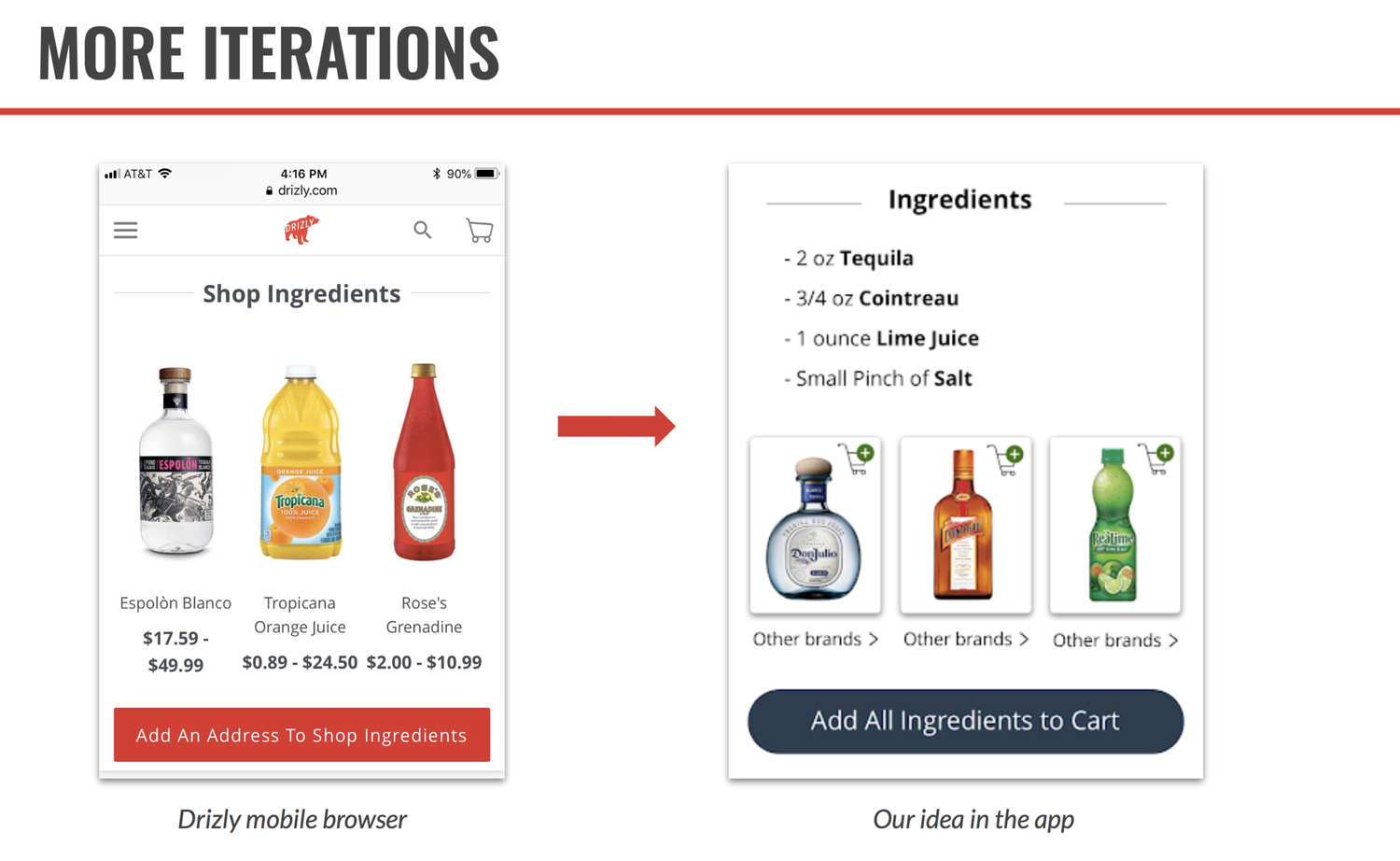
Creating a recipe detail page with ingredient lists and purchase options
Providing a “Buy All” or individual item selection for quick checkout
Purpose:
Wireframes allowed us to test navigation, screen layout, and content hierarchy early, ensuring the experience felt seamless before moving into high-fidelity designs.
UI Design
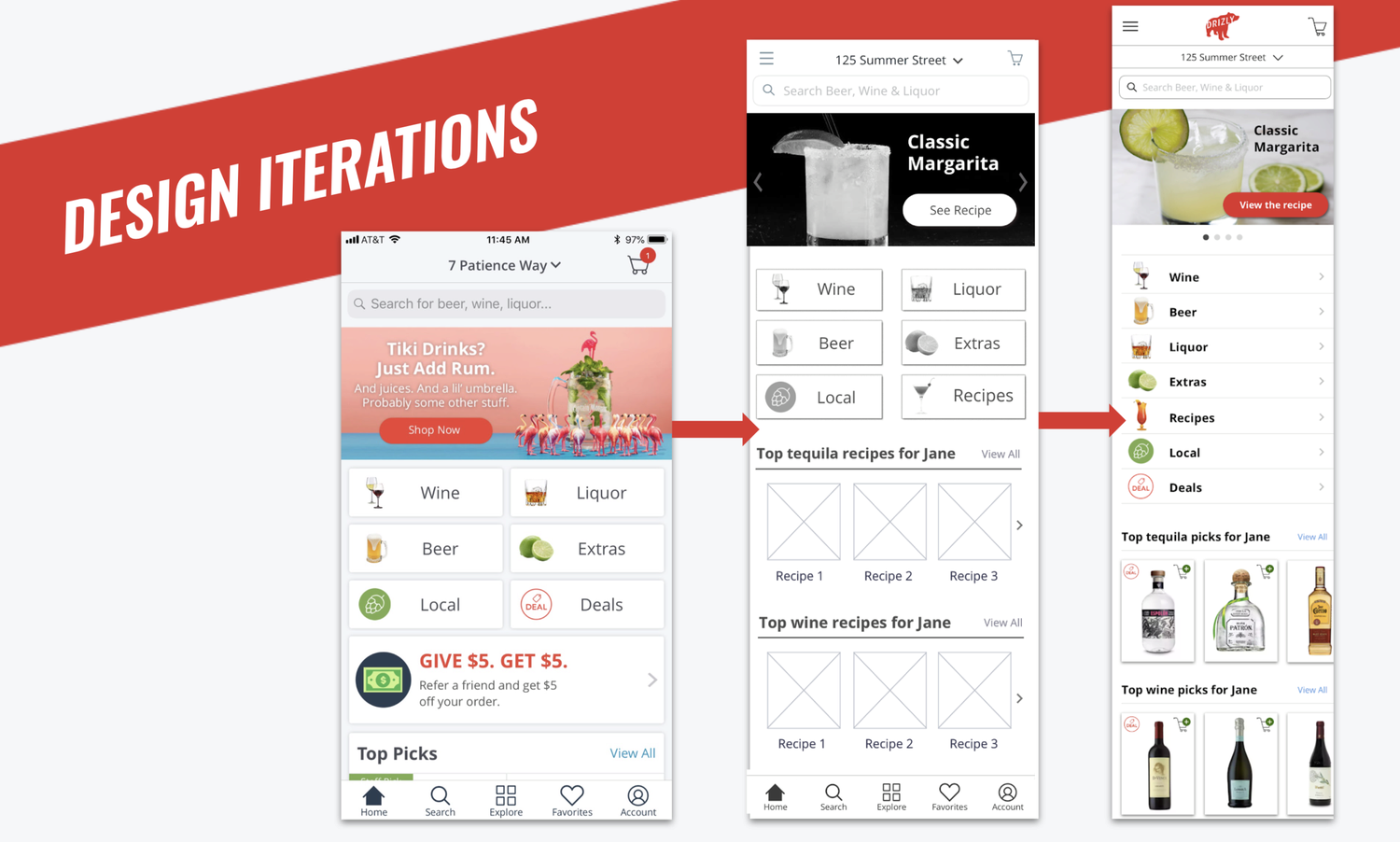
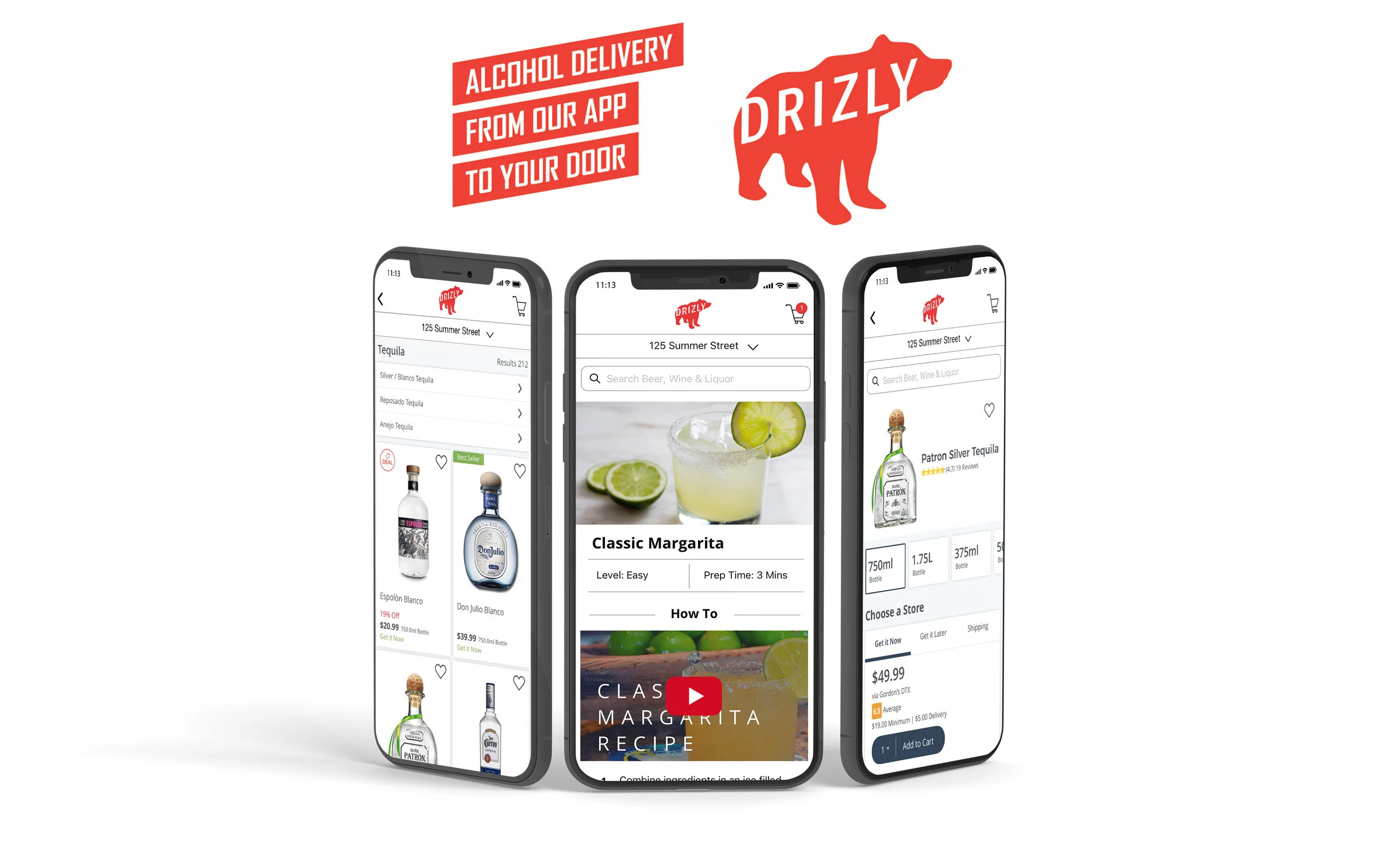
Our solution focused on implementing a dedicated recipes feature in Drizly’s mobile app, which previously had none. In creating the UI, we followed the client’s existing style guide while prioritizing user experience and functionality. Since Drizly planned a brand redesign in the near future, we concentrated on designing features and interactions that could be carried forward into the new brand direction, rather than overhauling the current visual design.
reflection
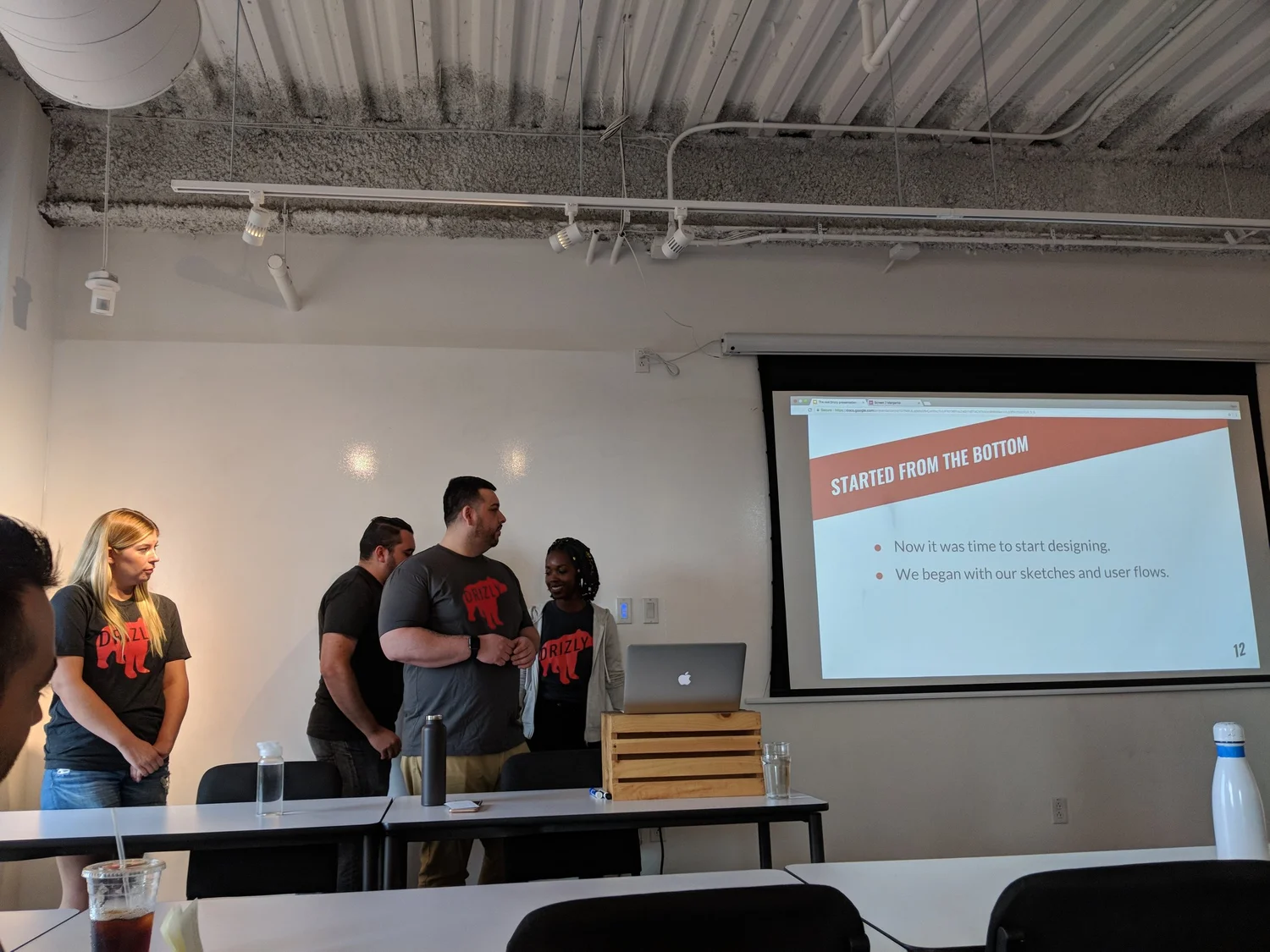
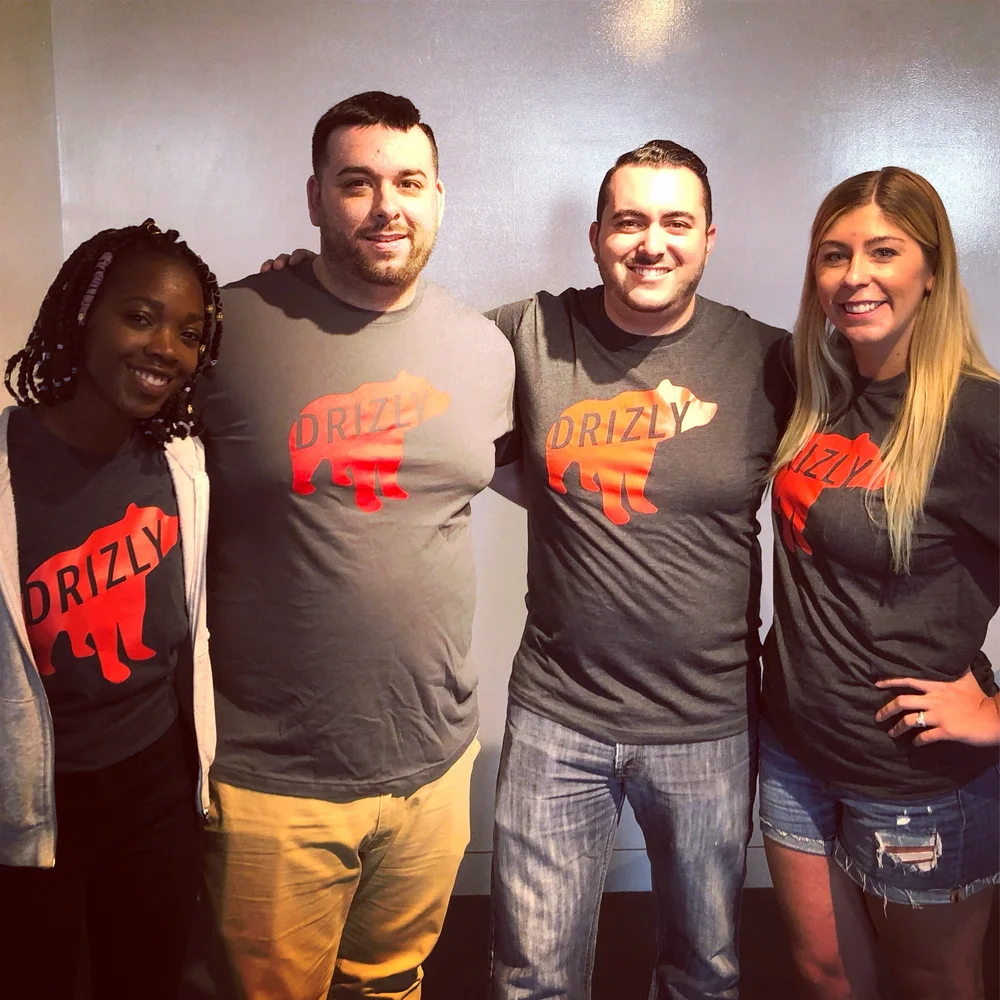
This project was a true learning experience for my team and I. From learning the business side of Drizly to discovering the behaviors of users when is comes to alcohol, there was so much to take away from completion. Through speaking with our clients on numerous occasions to get feedback and present our work we were able to come up with a solution that we think would not only enhance the experience of Drizly users, but help with the growth of Drizly on the business side, increasing conversions and customer retention, overall creating more awareness of the Drizly app itself.
As any project, our work is never complete. After testing our high fidelity prototype with users and presenting to our client, there were some things that could be improved. In our prototype, we have users directed straight to the recipe page from the app store and downloading the app. We then realized this was not feasible and would have to think of a way to direct users to the recipe they were searching for on web to mobile without a hitch or long process if even possible.
In the end our client was thrilled at the solutions we came up with and mentioned they will be incorporating our ideas into their next redesign coming 2019.